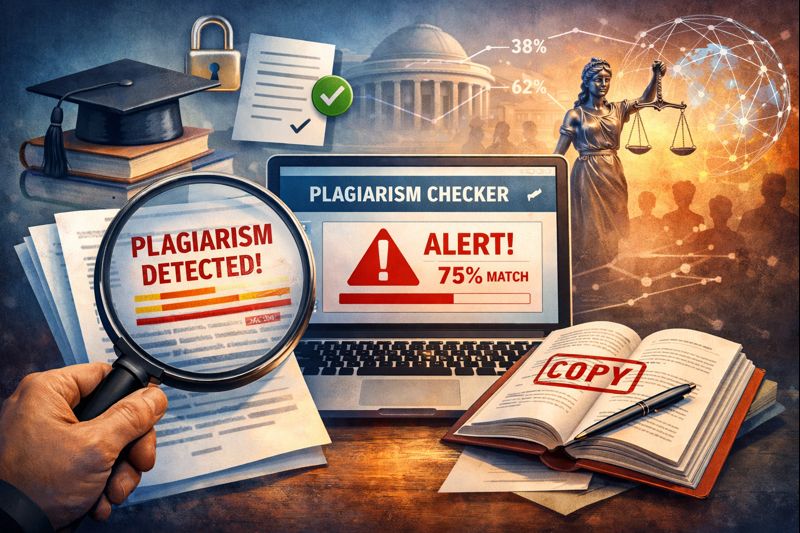
Discover the importance of maintaining academic integrity and the comprehensive strategies on how to check for plagiarism, incorporating both digital and manual methods.
Ensuring Academic Integrity: A Guide on How to Check for Plagiarism
In the academic and professional spheres, particularly within Australia, the sanctity of original thought and the integrity of written work are held in high regard. With the proliferation of digital content, the task of maintaining honesty and originality in one’s work has become more challenging yet more crucial than ever. Understanding and implementing effective methods to check for plagiarism is fundamental in safeguarding the credibility of scholarly and professional documentation. This comprehensive analysis offers insights into the complexities of plagiarism detection and provides practical solutions for academics, professionals, and students striving to preserve integrity in their writings.
What Constitutes Plagiarism?
Plagiarism involves the appropriation of another individual’s ideas, words, or creations without proper acknowledgment or citation. This malpractice spans from verbatim copying of textual material to the illicit paraphrasing of concepts, thus blurring the lines of intellectual ownership. Recognising the various forms of plagiarism is the initial step towards combating it.
Strategies to Check for Plagiarism Effectively
Adopting a multifaceted approach enhances the accuracy of plagiarism detection. Contemporary strategies encompass both digital and manual methodologies, offering a comprehensive suite of tools for educators, researchers, and writers to ensure the authenticity of their work.
Utilising Advanced Plagiarism Detection Software
In Australia, as in much of the global academic community, reliance on sophisticated plagiarism detection programs has significantly increased. Technologies such as Turnitin, Grammarly, and Copyscape play a pivotal role, analysing texts against extensive databases to identify potential instances of plagiarism. These platforms, each with their unique capabilities, offer invaluable assistance in scanning academic works, web content, and published materials for originality.
Manual Verification Techniques
Despite the efficacy of automated tools, the importance of manual scrutiny persists. This method involves a meticulous examination of sources cited, quality of paraphrasing, and the consistency of writing style across different pieces of work. Such a hands-on approach is indispensable, particularly in discerning subtle discrepancies that software might overlook.
Empowering Academic Originality in University Settings
In the academic realms of universities and tertiary institutions, instilling a strong foundational understanding of plagiarism and its repercussions is crucial. Through educational programmes and integrity policies, institutions can foster an environment where original thought flourishes. Faculty members play a critical role by integrating plagiarism checking tools into their assessment processes and encouraging an ethos of honesty among students.
Proactive Measures to Prevent Plagiarism
To circumvent the pitfalls of plagiarism, a proactive stance involving rigorous research and meticulous note-taking is indispensable. When individuals engage deeply with their sources, documenting each reference meticulously, the likelihood of inadvertently plagiarising diminishes substantially.
Additionally, adopting clear citation practices according to the appropriate academic or professional standards (e.g., APA, MLA, or Harvard) is essential. Offering workshops or seminars on academic integrity and proper citation methods can also equip participants with the necessary skills to navigate the complexities of intellectual honesty.
Overcoming the Challenges in Plagiarism Detection
The landscape of plagiarism detection is fraught with complications, from the adaptability of paraphrasing tools to the cunning operation of essay mills. As such, academic and publishing entities must continuously refine their strategies and tools to stay ahead of innovative forms of academic dishonesty. Keeping detection software databases comprehensive and current constitutes a significant portion of this ongoing battle.
Conclusion
Maintaining integrity in written work through diligent checks for plagiarism is pivotal in both the academic and professional arenas. In Australia, the committed application of both digital and manual methods of detection, coupled with educative preventative measures, represents the most effective strategy in upholding the values of honesty and originality. As the landscape of written communication evolves, so too must the methodologies employed to safeguard the authenticity of intellectual output.